Master Visual Inspection Tools: A How-To Guide – 2026 Guide
March 4, 2026|4:59 AM
Unlock Your Digital Potential
Whether it’s IT operations, cloud migration, or AI-driven innovation – let’s explore how we can support your success.
Home /
Work /
Blogs /
Master Visual Inspection Tools: A How-To Guide – 2026 Guide
Understanding Visual Inspection Tools
Modern manufacturing and quality assurance heavily rely on precision and reliability. Across diverse industries, maintaining high standards is paramount for product integrity and consumer safety. This critical need is effectively met through the strategic application of Visual Inspection Tools. These indispensable instruments and systems enable thorough examination of products and components, ensuring they meet specified criteria.
Visual inspection is not merely about looking at something; it involves a systematic process to identify flaws, verify dimensions, and confirm proper assembly. From tiny electronic components to large structural welds, these tools provide the necessary magnification, illumination, and analytical capabilities to uncover imperfections that human eyes alone might miss. This guide delves into the world of Visual Inspection Tools, exploring their types, applications, and implementation for robust quality control.
What Are Visual Inspection Tools?
Visual Inspection Tools encompass a wide array of devices and technologies designed to aid in the visual examination of objects. Their primary purpose is to detect defects, inconsistencies, or deviations from specified standards. These tools range from simple magnifying glasses to sophisticated Automated optical inspection systems.
They are instrumental in revealing surface imperfections, dimensional inaccuracies, assembly errors, and material flaws. By enhancing human vision or replacing it entirely with automated processes, Visual Inspection Tools provide consistent and objective data. This data is crucial for informed decision-making in production environments.
Why Are They Essential in Modern Industries?
The importance of Visual Inspection Tools in today’s industrial landscape cannot be overstated. They serve as the first line of defense against manufacturing defects, safeguarding product quality and preventing costly recalls. Their integration across various sectors highlights their versatility and effectiveness.
These tools are fundamental for maintaining product integrity, ensuring regulatory compliance, and enhancing customer satisfaction. Industries such as automotive, aerospace, electronics, pharmaceuticals, and food processing depend heavily on precise visual inspections to guarantee the quality and safety of their offerings. Without these capabilities, manufacturers would face significant risks related to product performance and brand reputation.
Types of Visual Inspection Tools
The realm of Visual Inspection Tools is incredibly diverse, encompassing methods that range from purely manual observation to highly sophisticated automated systems. Each type offers distinct advantages, catering to different levels of precision, speed, and environmental conditions. Understanding these distinctions is key to selecting the most appropriate tools for specific inspection challenges.
This section categorizes the various tools available, shedding light on their operational principles and typical applications. Choosing the correct tool often depends on factors like the object’s size, the nature of potential defects, and the desired throughput. From enhancing human perception to fully automating the inspection process, these tools drive efficiency and accuracy.
Manual and Semi-Automated Tools
Manual and semi-automated Visual Inspection Tools augment human eyesight and dexterity. These tools are often preferred for their flexibility, ease of use, and lower initial investment, especially in environments where automation might be impractical or uneconomical. They empower human inspectors to perform detailed examinations with greater precision.
Magnifying Glasses and Loupes: These are the simplest Visual Inspection Tools, providing basic magnification for close examination of surfaces. They are inexpensive and portable, ideal for quick spot checks or field inspections.
Microscopes: Offering higher magnification, microscopes are essential for examining intricate details and microscopic flaws. Stereo microscopes provide a three-dimensional view, which is particularly useful for small components and surface inspection technology.
Bore scopes and Endoscopes: Designed to inspect hard-to-reach areas, these flexible or rigid tubes with built-in cameras and lighting are invaluable. They are commonly used for internal inspections of pipes, engines, and complex assemblies, revealing hidden defects.
Automated Visual Inspection Systems
Automated visual inspection represents the pinnacle of modern inspection technology, providing unparalleled speed, accuracy, and repeatability. These advanced systems rely on sophisticated hardware and software to perform inspections without human intervention, revolutionizing quality control processes. They are especially critical in high-volume production environments where consistency is paramount.
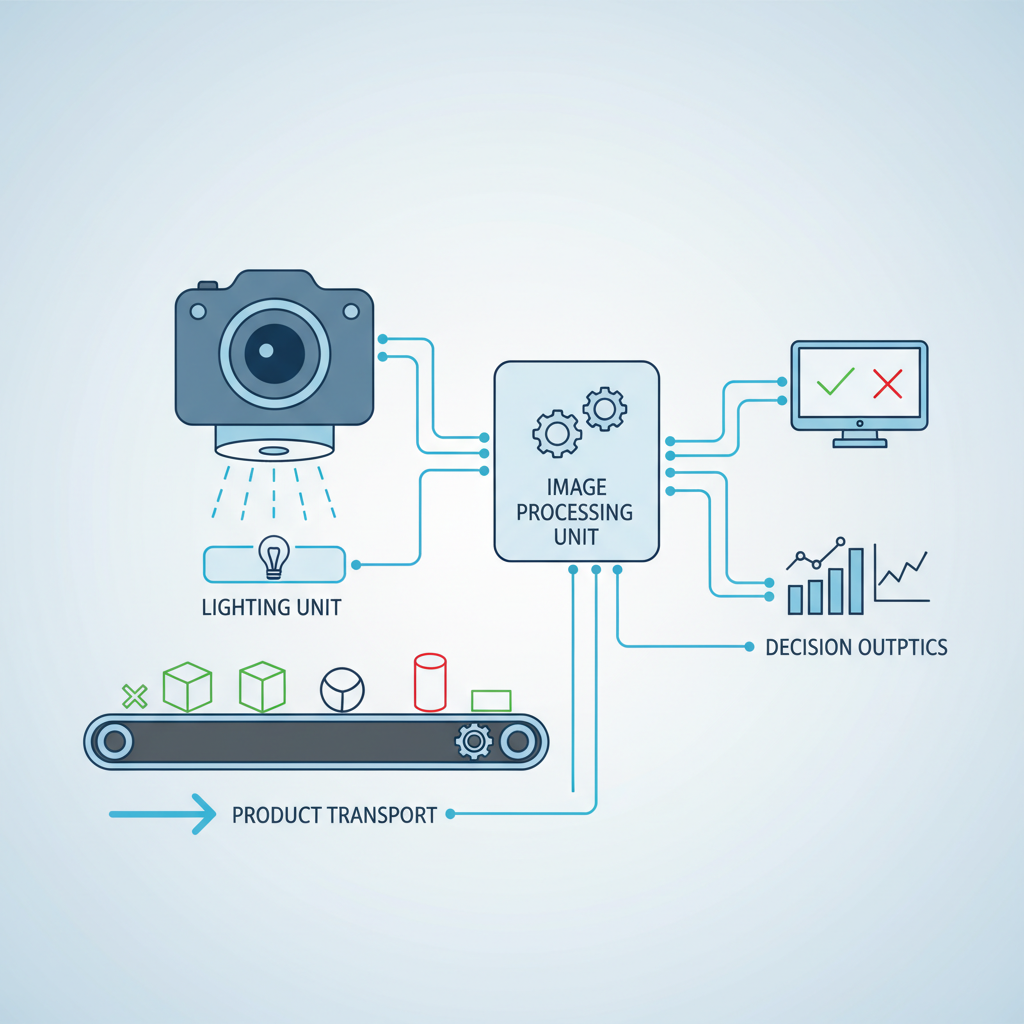
Automated systems, often referred to as Machine vision systems, utilize advanced optics and digital processing. These systems can inspect thousands of parts per minute, far exceeding human capabilities. They deliver objective data, eliminating variability associated with human fatigue or subjective judgment.
An intricate diagram illustrating the components of a Machine vision system, including a camera, lighting, lens, image processing unit, and a conveyor belt with products being inspected.
Automated optical inspection (AOI) is a specialized application of machine vision. It is predominantly used in the electronics industry for inspecting printed circuit boards (PCBs) and other electronic assemblies. AOI systems quickly identify common defects such as solder bridges, missing components, and incorrect component placement.
Quality control cameras form the core of these automated systems. These high-resolution digital cameras capture images that are then analyzed by powerful algorithms. Integrated into Industrial inspection equipment, these cameras work tirelessly to ensure every product meets stringent quality specifications, reducing waste and improving overall efficiency.
Key Components of an Automated Visual Inspection System
An effective automated visual inspection system is a complex integration of several specialized components working in concert. Each part plays a crucial role in capturing, processing, and interpreting visual data to identify defects or verify product characteristics. Understanding these components is vital for anyone looking to implement or optimize such a system.
The synergy between hardware and software in these systems is what allows for high-speed, precise, and repeatable inspections. From the initial image capture to the final decision-making, every element is designed to contribute to an accurate and reliable inspection outcome. This section breaks down the essential building blocks of these powerful tools.
Imaging Hardware
The quality of any visual inspection begins with the imaging hardware, which is responsible for capturing clear and accurate images of the objects under scrutiny. Without high-quality image acquisition, even the most advanced software will struggle to perform reliable inspections. This hardware typically includes cameras, lighting, and optics.
Cameras: Industrial-grade cameras are specifically designed for machine vision applications. They offer high resolution, fast frame rates, and various sensor types (e.g., CCD, CMOS) to suit different inspection needs. These Quality control cameras are robust and built to withstand demanding industrial environments.
Lighting: Proper illumination is perhaps the most critical factor for successful image acquisition. Various lighting techniques (e.g., diffuse, direct, backlight, structured light) are used to highlight specific features or defects, ensuring optimal contrast and visibility for the inspection task.
Optics (Lenses): Lenses focus light onto the camera sensor, determining the field of view, working distance, and resolution. Selecting the right lens is crucial for capturing sharp images with the necessary detail, especially when dealing with intricate components or very small defects.
Software and Processing
Once an image is captured, the system’s software takes over, transforming raw visual data into meaningful information. This is where the “intelligence” of the system resides, enabling it to detect and classify defects automatically. Sophisticated algorithms are at the heart of this processing.
Image processing for inspection involves a series of computational steps applied to the captured images. These steps might include filtering, segmentation, feature extraction, and pattern recognition. The goal is to enhance relevant features and isolate potential defects from the background.
Defect detection software then analyzes these processed images against predefined criteria or learned patterns. This software can identify a wide range of imperfections, from surface scratches and misalignments to missing parts and incorrect colors. The software’s capabilities are continuously advancing with developments in artificial intelligence and machine learning.
Data Analysis and Integration
Beyond simply detecting defects, automated systems also provide valuable data for process improvement. The collected inspection data can be analyzed to identify trends, pinpoint root causes of issues, and optimize manufacturing processes. This analytical capability transforms inspection from a reactive process into a proactive quality management tool.
Integration involves connecting the visual inspection system with other factory systems, such as manufacturing execution systems (MES) or enterprise resource planning (ERP) systems. This ensures seamless data flow and allows for real-time adjustments to production. For instance, a system detecting a recurring defect might trigger an alert to adjust machine parameters upstream.
✓ Free consultation ✓ No commitment required ✓ Trusted by experts
Implementing Visual Inspection Tools: A Step-by-Step Guide
Implementing Visual Inspection Tools, especially automated systems, requires careful planning and execution to ensure optimal performance and return on investment. A structured approach minimizes potential pitfalls and maximizes the benefits of these powerful technologies. This step-by-step guide outlines the essential phases involved in integrating inspection solutions into your operations.
Proper implementation not only ensures accuracy but also contributes to overall operational efficiency and cost savings. Each step builds upon the previous one, leading to a robust and reliable inspection process that consistently meets quality objectives. Following these guidelines will pave the way for successful deployment of your chosen tools.
Step 1: Defining Inspection Requirements
The initial and most critical step is to clearly define what needs to be inspected and what constitutes an acceptable outcome. This involves understanding the product, its specifications, and the types of defects that must be detected. Specificity here prevents ambiguity later in the process.
Identify Critical Features: Determine which aspects of the product are most important for inspection (e.g., dimensions, surface finish, presence of components, color).
Establish Acceptance Criteria: Define the tolerance levels for each feature. What is an acceptable variation, and what constitutes a reject? This often involves collaborating with design engineers and quality managers.
Characterize Defects: Understand the nature and appearance of common defects. Can they be easily differentiated? What lighting conditions best reveal them?
Step 2: Selecting the Right Tools
Once requirements are clear, the next step involves choosing the appropriate Visual Inspection Tools for the job. This decision hinges on several factors, including the required precision, speed, environment, and budget. It’s crucial to match the tool’s capabilities with the inspection task.
Consider whether manual, semi-automated, or fully automated solutions are most suitable. For high-volume production with complex defect patterns, Machine vision systems are often the best choice. Evaluate various Non-contact measurement tools if dimensional accuracy is a key requirement, as they provide precise measurements without touching the object.
Step 3: System Setup and Calibration
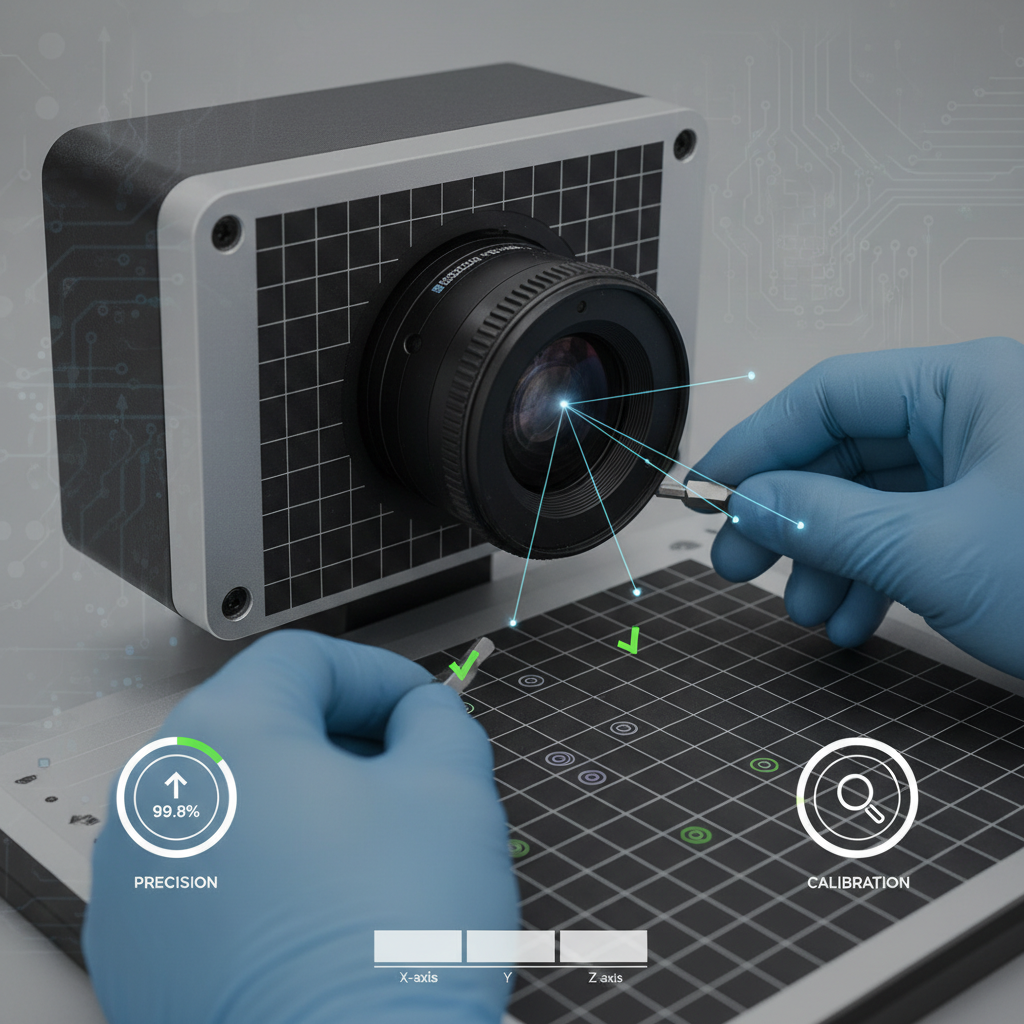
After selecting the tools, the physical setup and precise calibration are essential for accurate and consistent results. This involves careful arrangement of hardware components and fine-tuning software settings. Correct setup ensures the system can reliably capture and interpret images.
A close-up view of a technician carefully calibrating an industrial inspection camera with a grid pattern target, ensuring precise alignment and focus.
Proper lighting, camera positioning, and lens selection must be optimized for the specific application. Then, the system must be calibrated using known good parts and parts with known defects. This process teaches the system what to look for and how to differentiate between acceptable and unacceptable variations.
Step 4: Data Acquisition and Analysis
With the system set up and calibrated, the process of data acquisition begins. Objects pass through the inspection station, images are captured, and the Defect detection software processes these images in real-time. The system then makes a pass/fail decision based on the predefined criteria.
The collected data is not just for immediate pass/fail decisions. It should also be logged and analyzed to identify trends, track performance, and provide valuable insights into manufacturing process variations. This continuous feedback loop is crucial for ongoing quality improvement.
Step 5: Integration and Optimization
The final step involves integrating the Visual Inspection Tools into the broader production line and continuously optimizing their performance. Seamless integration ensures that rejected parts are properly diverted or flagged, and feedback can be provided upstream to prevent future defects.
Optimization is an ongoing process. This might involve refining inspection algorithms, adjusting lighting, or updating acceptance criteria based on new product variations or defect types. Implementing Surface inspection technology can be particularly beneficial for products where cosmetic appearance or integrity is paramount, requiring fine-tuning for specific surface textures and materials. Regular maintenance and performance reviews are vital to ensure long-term accuracy and reliability.
Benefits and Challenges of Visual Inspection Tools
Adopting Visual Inspection Tools brings a host of significant advantages to manufacturing and quality assurance processes. However, like any sophisticated technology, they also present certain challenges that need to be addressed for successful implementation and sustained performance. Understanding both the upsides and potential hurdles is crucial for a balanced perspective and effective deployment.
Weighing these factors carefully helps organizations make informed decisions about investing in and managing their inspection infrastructure. The ultimate goal is to leverage the benefits while proactively mitigating the associated complexities. This section explores the dual nature of these powerful quality control solutions.
Advantages
The benefits of incorporating Visual Inspection Tools into operations are substantial and far-reaching. They touch upon various aspects of production, from direct financial savings to enhanced brand reputation. These tools empower companies to achieve higher standards of quality and efficiency.
Increased Accuracy and Consistency: Automated systems eliminate human error, fatigue, and subjectivity, leading to highly consistent and objective inspection results. This ensures that every product is evaluated against identical standards.
Higher Throughput and Speed: Machine vision systems can inspect parts at speeds far beyond human capabilities, significantly increasing production efficiency. This is vital in high-volume manufacturing environments.
Reduced Labor Costs: By automating repetitive inspection tasks, companies can reallocate personnel to more value-added activities. This optimization of human resources leads to considerable cost savings over time.
Improved Quality and Reduced Waste: Early detection of defects prevents faulty products from progressing further down the production line or reaching customers. This minimizes scrap, rework, and warranty claims, improving overall product quality.
Enhanced Data Collection and Analysis: Automated systems generate detailed data logs, providing invaluable insights into process variations and defect trends. This data supports continuous improvement initiatives and predictive maintenance strategies.
Common Challenges and Solutions
Despite their numerous benefits, Visual Inspection Tools can present certain challenges during implementation and operation. Recognizing these potential issues allows for proactive planning and the development of effective solutions. Addressing these challenges is key to realizing the full potential of the technology.
High Initial Investment: Automated systems, especially those with advanced Image processing for inspection capabilities, can have a significant upfront cost. Solution: Conduct a thorough cost-benefit analysis and consider phased implementation or leasing options to manage capital expenditure. Focus on the long-term ROI from improved quality and efficiency.
Complexity and Integration: Setting up and integrating sophisticated Industrial inspection equipment can be complex, requiring specialized expertise. Solution: Partner with experienced integrators or vendors. Ensure thorough training for internal teams and plan for seamless integration with existing manufacturing execution systems.
Lighting and Environmental Factors: Achieving consistent and effective lighting can be challenging, as can managing variations in product appearance or environmental conditions (e.g., dust, vibration). Solution: Invest in versatile, controlled lighting solutions. Utilize robust enclosure designs and advanced image pre-processing techniques to minimize environmental interference.
Algorithm Development and Tuning: Developing and fine-tuning Defect detection software for specific applications can be time-consuming and requires expertise in machine learning or image processing. Solution: Leverage off-the-shelf software where possible, or collaborate with AI/ML experts. Implement iterative development cycles with extensive testing and validation.
Future Trends in Visual Inspection
The field of Visual Inspection Tools is continuously evolving, driven by advancements in artificial intelligence, sensor technology, and data analytics. These innovations are paving the way for even smarter, more autonomous, and more capable inspection systems. Staying abreast of these trends is crucial for industries looking to maintain a competitive edge and further enhance their quality control processes.
The future promises inspection solutions that are not only more accurate and efficient but also more adaptable and predictive. These emerging technologies will allow for proactive quality management, significantly reducing manufacturing errors and improving overall product reliability. We are moving towards systems that can learn, adapt, and even anticipate potential defects.
AI and Machine Learning Integration
The integration of Artificial Intelligence (AI) and Machine Learning (ML) is rapidly transforming Visual Inspection Tools. These advanced algorithms enable systems to learn from vast datasets of images, identifying complex defect patterns that might be difficult to program explicitly. This capability dramatically enhances the precision and adaptability of inspection processes.
AI-powered Machine vision systems can distinguish between subtle variations and actual flaws with remarkable accuracy, often outperforming human inspectors. They can also adapt to new product variants or evolving defect types more readily. This leads to more robust and versatile inspection solutions, capable of handling intricate and nuanced inspection tasks.
Advanced Sensor Technologies
Beyond traditional cameras, new sensor technologies are expanding the capabilities of Visual Inspection Tools. These innovations provide richer data about an object’s properties, offering insights beyond what visible light alone can reveal. Such advancements contribute to a more comprehensive understanding of product quality.
Hyperspectral imaging, for example, can analyze materials based on their chemical composition, detecting contaminants or material inconsistencies invisible to the naked eye. 3D imaging sensors, including structured light and laser scanners, provide precise volumetric measurements and detailed Surface inspection technology, allowing for detection of subtle topographical defects or deviations. These multi-faceted approaches offer unprecedented levels of detail and reliability.
✓ Free consultation ✓ No commitment required ✓ Trusted by experts
Conclusion
Visual Inspection Tools are indispensable assets in modern manufacturing, serving as the backbone of robust quality control. From simple manual aids to sophisticated Automated optical inspection systems powered by AI, these tools play a critical role in ensuring product integrity, safety, and operational efficiency. Their ability to consistently detect defects and provide actionable data empowers industries to maintain high standards and foster continuous improvement.
As technology continues to advance, we can anticipate even more intelligent and integrated inspection solutions, further solidifying their importance. Embracing and mastering these tools is not just about identifying flaws; it’s about building trust, enhancing brand reputation, and securing a competitive future in a demanding global market. Invest in understanding and implementing the right Visual Inspection Tools to elevate your quality assurance to new heights.
Fredrik Karlsson
- Chief Operating Officer (Group) & Chief Information Security Officer, Opsio
Fredrik Karlsson is the Group Chief Operating Officer and Chief Information Security Officer at Opsio in Sweden. With extensive experience in operations, governance, and information security, he focuses on aligning business objectives with risk management, compliance, and scalable IT operations. Fredrik works closely with leadership and delivery teams to ensure resilient, secure, and efficient cloud and hybrid technology environments.